
Blog
Articles by the Rudio Team
Practical insights on cybersecurity, cloud infrastructure, and compliance for businesses that demand clarity.
Managed IT Services in Cincinnati: When Co-Managed Security Beats a Generic MSP
For Cincinnati organizations with internal IT, the right partner may not be a traditional MSP. Co-managed security adds depth, coverage, and escalation without replacing the team that already knows the business.
Enterprise Cybersecurity Without Enterprise Bloat: What Mid-Market Teams Actually Need
Mid-market companies need serious cybersecurity, but they do not need every enterprise platform, dashboard, and process. The right program starts with risk, response, identity, and operational fit.
How Cincinnati Companies Should Evaluate Cybersecurity Partners
Choosing a cybersecurity partner is less about tool lists and more about judgment, accountability, response, and fit. Here is what Cincinnati and regional companies should look for before they sign.
CMMC Compliance Consulting: How to Prepare Without Turning Security Into Paperwork
CMMC readiness works best when it becomes an operating model, not a binder project. Here is how mid-market teams can prepare with practical controls, evidence, and a security partner who understands the work behind the paperwork.
HIPAA Compliance for Lexington, KY: 2026 Guide
Lexington is one of the most HIPAA-dense markets in the mid-South. UK HealthCare, Baptist Health, and CHI Saint Joseph anchor a large vendor ecosystem that all carries compliance obligations. Here's what the 2025–2026 regulatory environment actually requires — written specifically for Central Kentucky.

HIPAA Loophole Is Closing: Is Your Practice Ready?
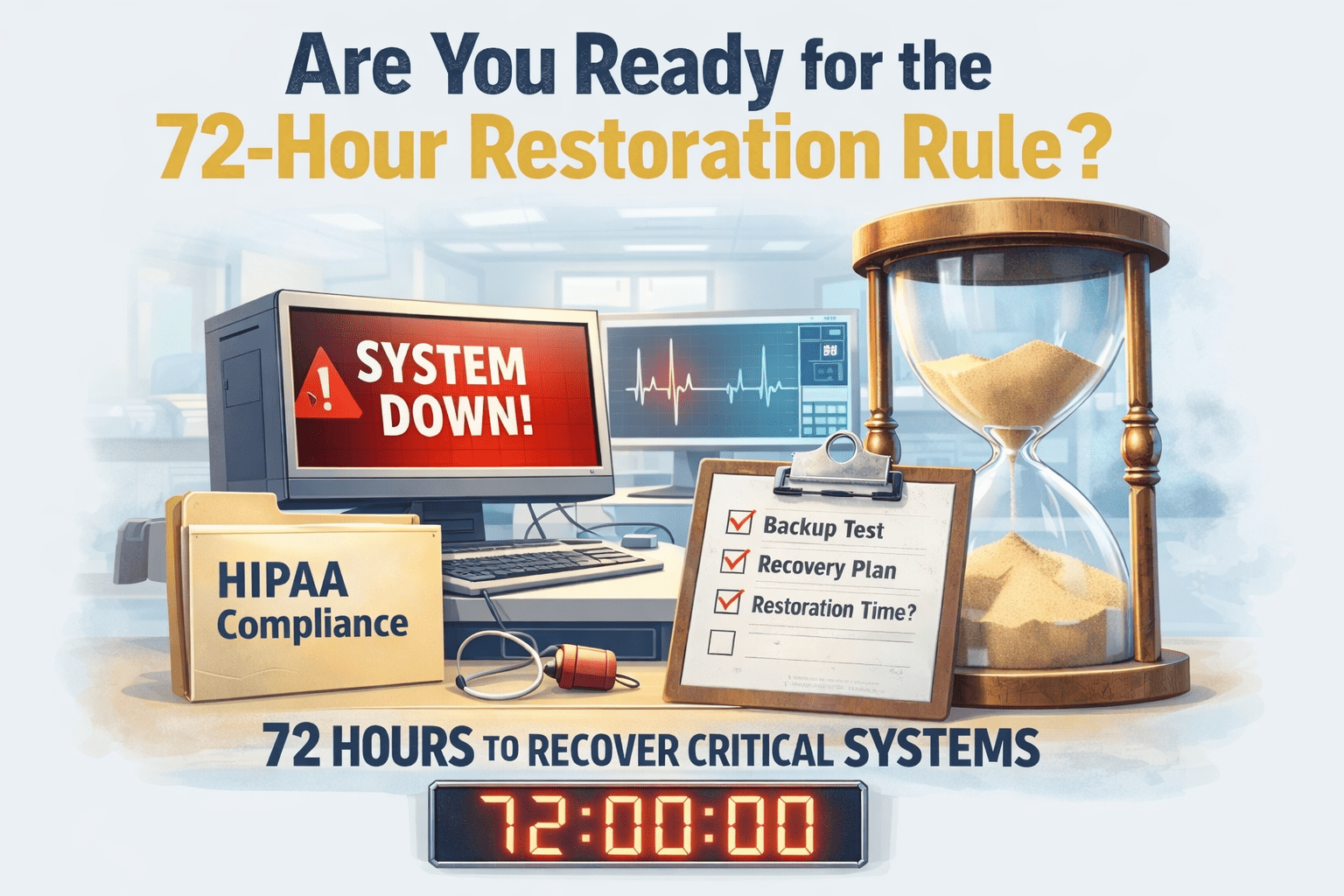
For years, small healthcare practices could document their way out of security requirements. In 2026, that excuse disappears. The Department of Health and Human Services published a new HIPAA Security Rule that changes the game for every practice, regardless of size.
Why Buying Servers in 2026 Is a Losing Bet
"Buy your own hardware and save money." That advice made sense five years ago. With a 60% jump in DRAM prices in Q1 alone and projections of an $842 billion memory market by 2027, here's why that math doesn't work anymore.

Why VMware Was Never Your Only Option
For decades, enterprise virtualization began and ended with one name. But VMware was never the only capable player. AWS runs on Xen and KVM — if those platforms can power Amazon-scale workloads, they can power yours.